
Briefing: Data centers and water in the West

Tech giants are racing to build massive data centers across the country to power generative artificial intelligence, often without fully accounting for the strain on local and regional water supplies. In the West, where drought and rising costs are already stressing water supplies, communities are pushing back.

We brought together environmental, community, and sustainable business perspectives to talk about what’s needed in this moment. The conversation featured Steven Renderos, Executive Director of MediaJustice, Kirsten James, Senior Program Director of Water at CERES, and Pablo Ortiz, Director of Innovation and Collaboration at Union of Concerned Scientists.

While each brought a different perspective, all agreed transparency, reporting, and community-driven decision making are critical next steps for data center development in the region and country. Read on for highlights, watch the full briefing (below), or download the briefing transcript here.

A new chapter in data center development

Data centers aren’t new, but the hyperscale is. Kirsten James detailed a comprehensive analysis of water usage that accounts for water used in electricity generation and supply chains, not just cooling. Pablo Ortiz highlighted that not all data centers and artificial intelligence models are created equal, with impacts that add up on the regional level. 

Steven explained how regulations are also now being bypassed:

“We're seeing the rapid development of data centers at scales using quantities of water and electricity that are just unprecedented. There was a period of time when there was very deliberate planning around where to place these things where there is good land, good access to water, enough electricity on a power grid to absorb this. Those kinds of careful considerations in this current moment are just completely out the window.”

Steven Renderos, MediaJustice

The need for transparency and local input

Right now, companies don’t have to disclose how much water their data centers use, which makes it hard to get a clear picture. Kirsten suggested key changes needed:

“A few areas I think are really important for policymakers: First, effective governance relies on robust data, so we really need to see comprehensive disclosures from data center companies — including water withdrawal and consumption data for both direct operations and supply chains, and critically, the water use tied to electricity generation, which is something we see lacking in public disclosures. We need public disclosures at the facility level, not aggregated, because we need that local granularity.”
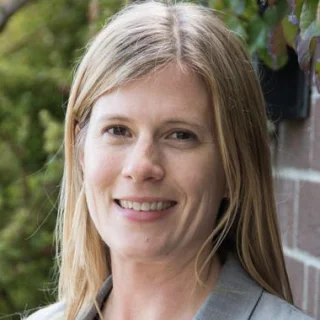
Kirsten James, CERES

Steven illustrated how slowing down the process and allowing public input led to the cancellation of Amazon’s Project Blue data center campus in Tucson. Throughout the different communities Steven has talked and worked with across the country, one thing is clear:

“One way or another, the desire of people seeing these projects pop up is: can we slow down so that we can consider what's in our best interest and ensure there's a public, transparent process? And that pause then allows for good governance to step in and good policy to be shaped. It's really hard to develop good policy when the thing's already being built. It's harder to close the tap on the water, so to speak.”
Steven Renderos, MediaJustice

Mapping the future of industry and water

We’re facing a turning point. Pablo emphasized how data center development decision making can’t ignore our climate reality: 

“Data centers have been used as an excuse to keep coal plants open and build new gas plants. This infrastructure is built to last 15 to 25 years, maybe more, so whatever decisions are being made today are going to stay with us for a long time. And there's a vicious cycle: climate change is making heat waves more frequent and more severe, which will require more cooling, which requires more energy, which drives more climate change.”

Pablo Ortiz, Union of Concerned Scientists

Kirsten pointed to a real opportunity for companies to help steer data center growth in a more sustainable direction:

“There are a lot of opportunities to set the data center build-out on the right course. There's also a big opportunity to work together and contribute to watershed health, really helping restore and conserve water in high-stress basins. And this can be a bridge to making progress across industries as well. A lot of challenges, but definitely opportunities.”
Kirsten James, CERES

What’s next?

Watch the full briefing and sign up for our Water Cooler newsletter to hear about our trainings and resources and follow us on LinkedInBlueskyInstagram, and YouTube

Sign Up For Our Newsletter!

Join us at the Water Cooler, an email full of resources, events, reflections, and more.